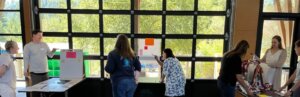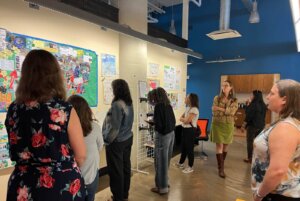
In November, CAELI members, Ten Strands staff, district leaders, and partners gathered in Pasadena for the annual Green California Schools and Higher Education Summit (GCSHE). This year’s Summit was marked by an especially strong sense of momentum—both in the scale of CAELI’s presence and the depth of connection among members. This statewide convening continues to bring together educators committed to advancing environmental action and climate literacy across California’s campuses, classrooms, communities, and cultures.
This year, CAELI had an especially strong presence—representing 50% of all the Summit sessions—highlighting best practices, innovative models, and new pathways for collaboration across the state.
A Rejuvenating CAELI Meet-Up
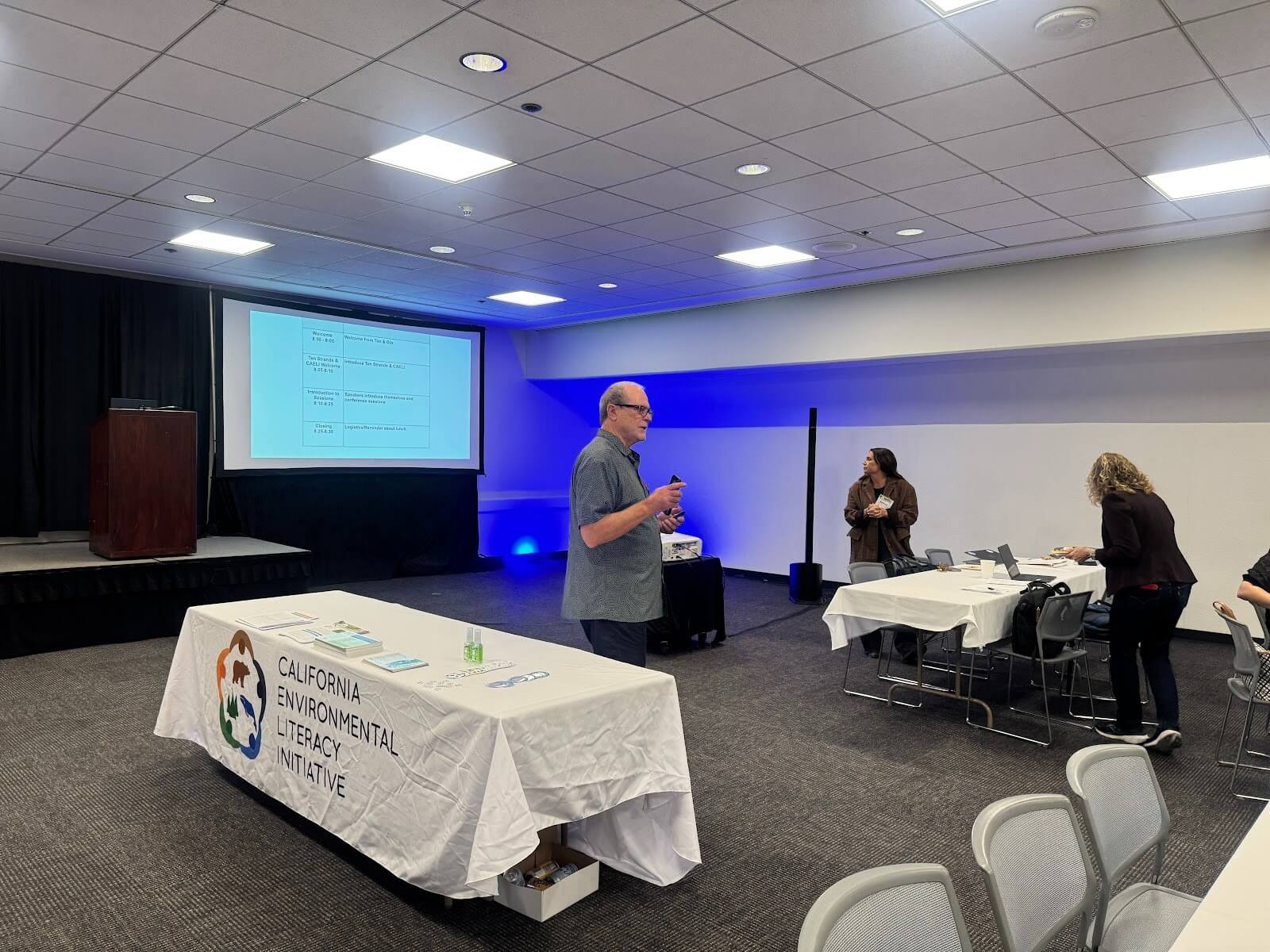
CAELI kicked off the summit with a rejuvenating pre-conference meet-up that brought members together to reconnect, reflect, and re-energize for the work ahead. The gathering opened with remarks from Ten Strands’ chief innovation officer and CAELI director, Andra Yeghoian, along with co-chairs Nate Ivy and Estrella Risinger who emphasized the value of connection, collaboration, and shared learning. Reflecting on the day, Nate described the meet-up as an “energizing opportunity to deepen personal connections within the CAELI network while working together to make sense of statewide environmental literacy data,” noting that the diverse representation of CAELI members and their unique perspectives helped the group map out future steps for California.
Estrella shared that “CAELI provides a space for individuals with shared passion and dedication for advancing environmental literacy to come together to work towards collective action,” adding that the meet-up served as an important reminder of the value of connecting in person. Members from across the state—representing a wide range of settings and communities—brought diverse perspectives and experiences to robust conversations that centered local approaches to complex challenges while driving efforts for systemic change.

Members participated in a hands-on activity centered on CAELI’s 10-year vision, exploring how the initiative can continue moving from aspiration to concrete action as environmental and climate literacy becomes increasingly embedded in district and county priorities. Conversations surfaced shared challenges, emerging opportunities, and the systems-level support needed to expand this work equitably and sustainably across California.
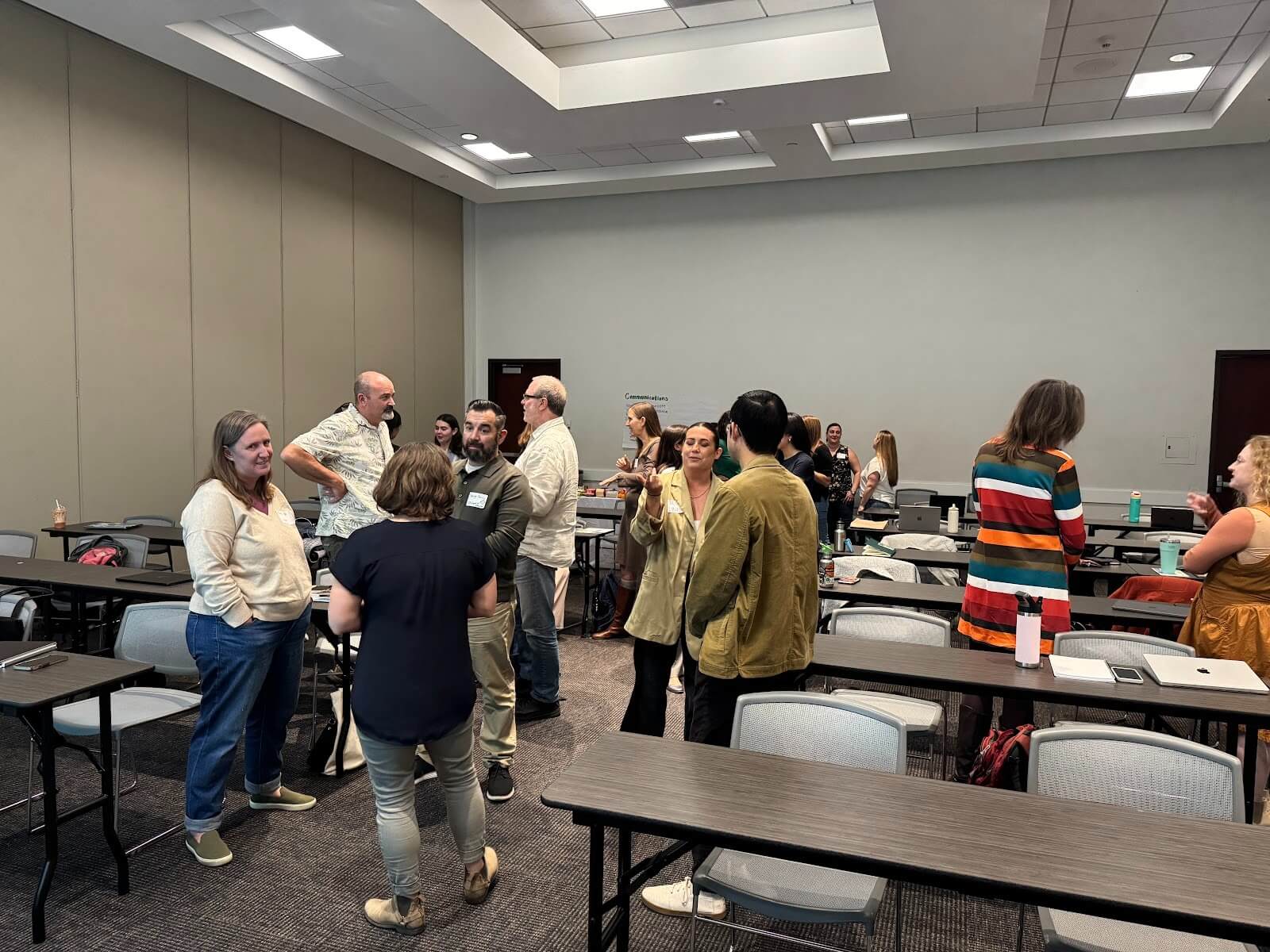

Throughout the session, themes emerged around the importance of consistent statewide messaging, strengthening collaboration between county offices and districts, and ensuring long-term staffing capacity to sustain progress. The atmosphere was both grounding and energizing—an open space for members to exchange ideas, reflect on their unique contexts, and reaffirm their collective commitment to environmental literacy.
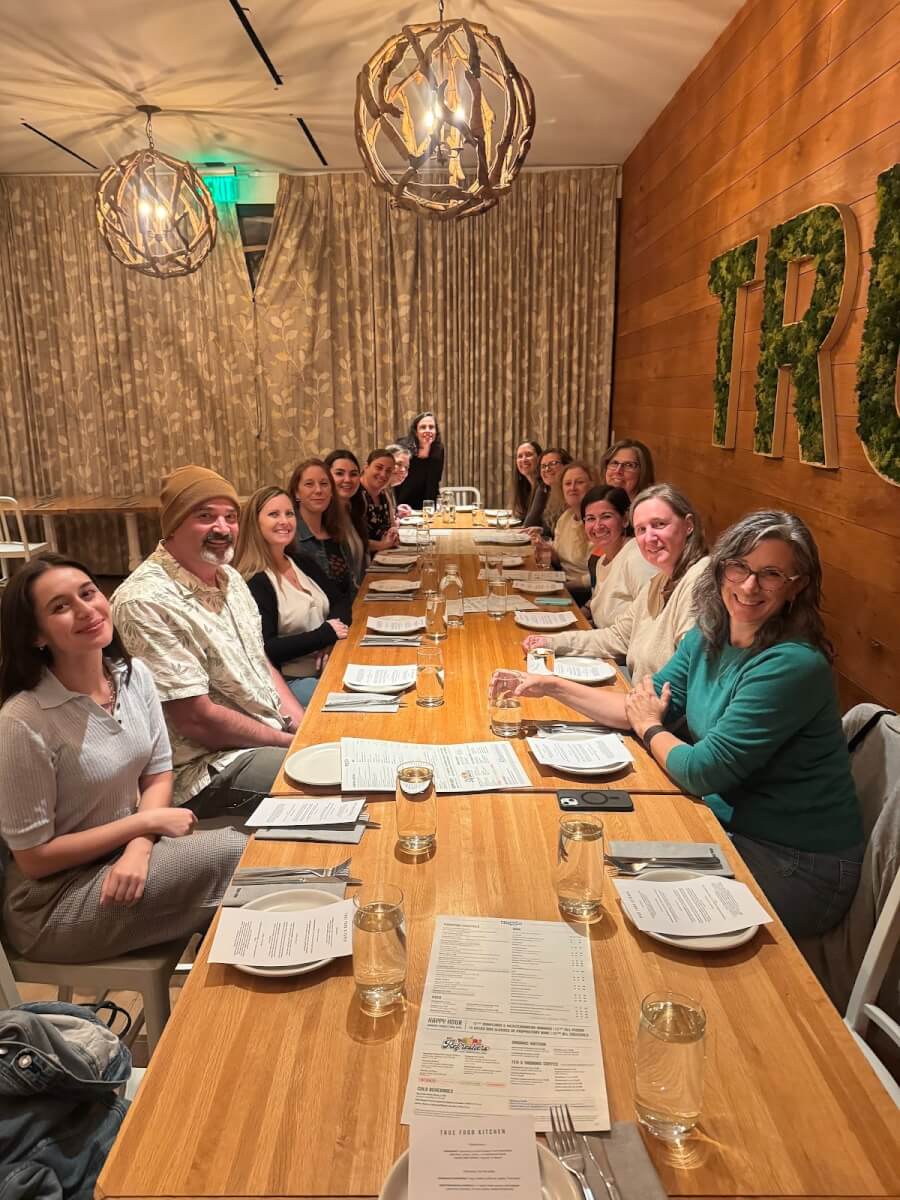
The day concluded with a lively group dinner that offered time for informal conversation, deepened relationships, and celebrated the collaborative spirit that defines CAELI.
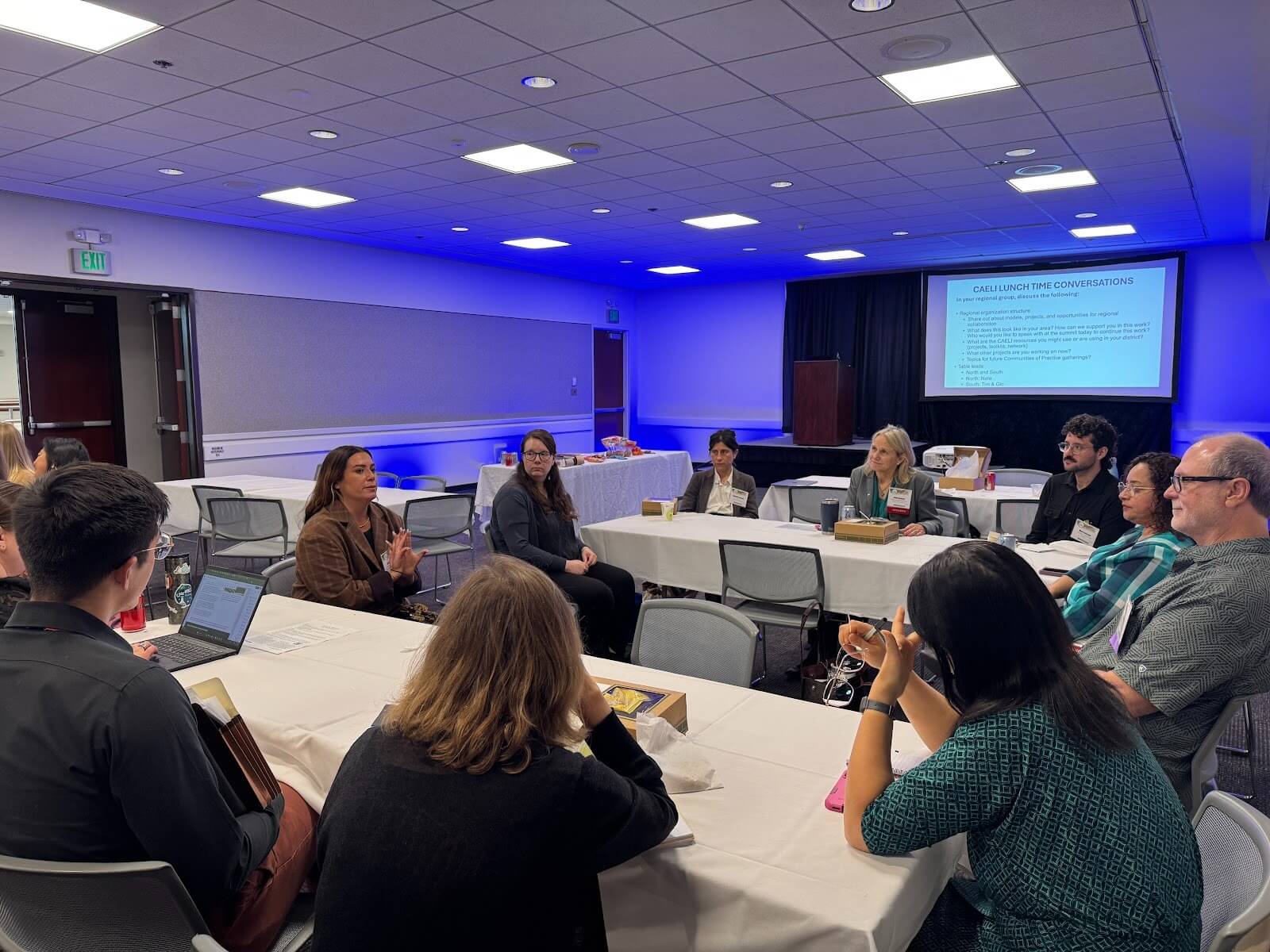
But the CAELI community didn’t stop there! Leaders Tim Baird and Gloria Harwood also coordinated breakfast and lunch meet-ups during the Summit itself, creating multiple opportunities for members to gather, network, and support one another. Through shared meals, facilitated conversations, and a welcoming atmosphere throughout the Summit, members from across the state were reminded that they are part of a strong, connected, and growing community. Co-chair Nate Ivy reflected on these efforts, saying, “I appreciated Tim and Glo’s work to build our CAELI community. The brief breakfast announcements about CAELI workshops and the facilitated regional conversations at lunch highlighted how our local efforts connect to some truly amazing statewide achievements.”
Highlights from CAELI’s Sessions
With CAELI members leading half of the sessions at the Summit, the day served as a powerful platform to elevate promising models, tools, and inspiring stories from across California’s educational landscape.
The day opened with Designing Regenerative Sustainable Schools, led by Tim Baird. His session examined why some district sustainability plans continue to thrive—even through leadership transitions—while others struggle to endure. Drawing on case studies from districts of varying sizes and contexts, he emphasized the role of cross-departmental collaboration, student voice, and strong community partnerships. Participants walked away with strategies for building sustainability frameworks designed to last beyond administrative shifts and political cycles.
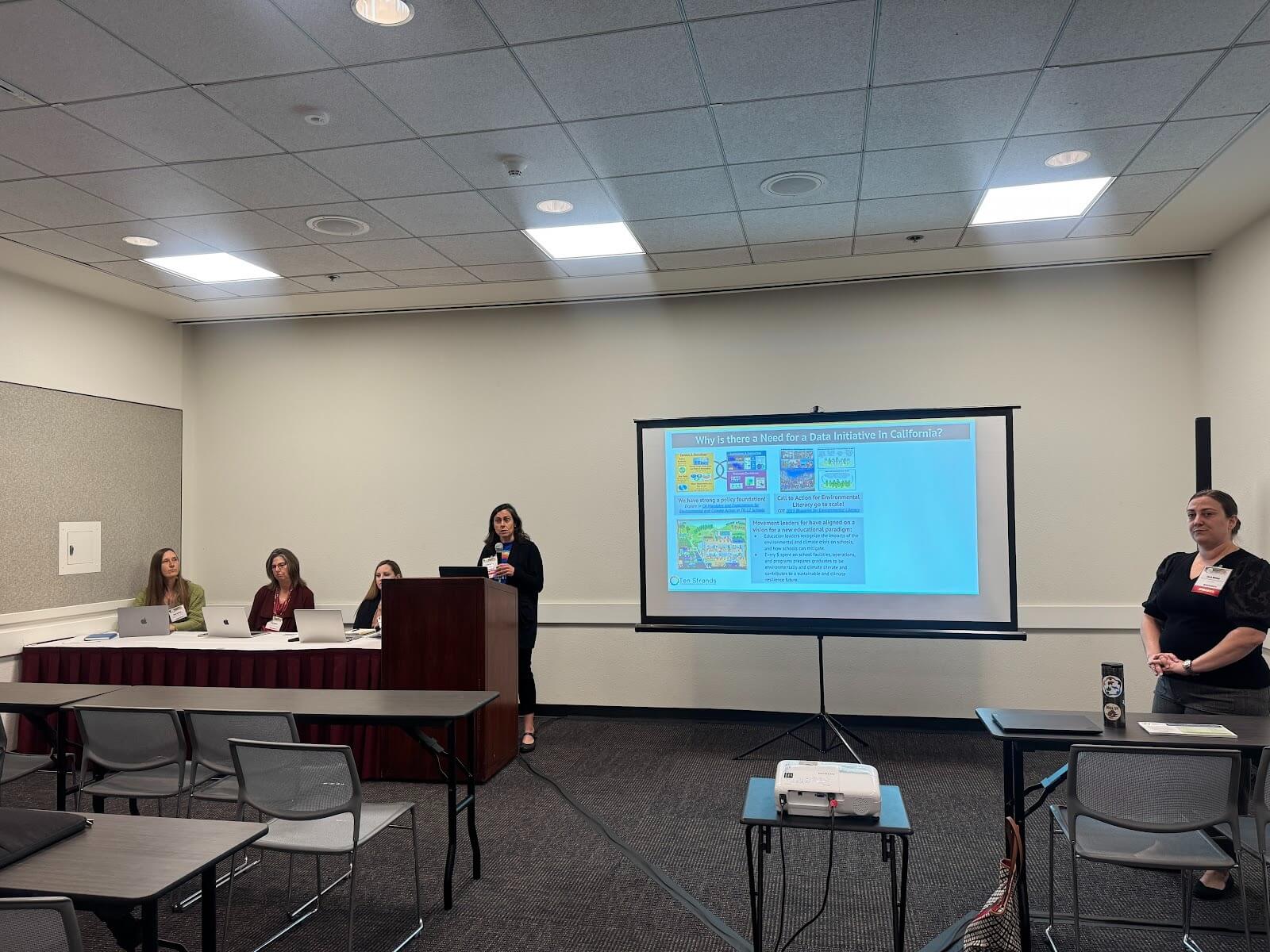
The following session, Beyond the School Gates: The Role of County and Local Partnerships in Environmental and Climate Action in Schools, featured data and stories from the field regarding the growth of environmental and climate action in counties. Chief innovation officer Andra Yeghoian and director of client engagement services and data science Sarah Whiting opened the session by introducing key findings from the Data Initiative for Environmental and Climate Action in California’s TK–12 Schools. They were then joined by CAELI county partners Julie Hilborn (San Mateo County Office of Education), Tamara Basepayne (San Joaquin County Office of Education), and Amity Sandage (Santa Cruz County Office of Education), who illustrated these findings through county-level policies, investments, and demographic conditions that can accelerate or constrain a district’s sustainability progress. Using county profiles and regional examples, the presenters helped attendees identify where strong partnerships are emerging and where untapped opportunities remain.
In another energizing session, students from Yosemite High School—alongside educator Jeff Rivero—demonstrated how CTE pathways can drive real-world sustainability impact. Through hands-on demonstrations of water quality labs, GIS mapping activities, and student-led advocacy campaigns, they showed how integrating sustainability into curriculum and school culture cultivates both technical skills and civic leadership. Their work served as a testament to what young people can achieve when supported as environmental problem-solvers and changemakers.

Former CAELI Co-Chair Juanita Chan-Roden led a powerful session on Incorporating Air Quality into Math and Science Instruction. Using real-time air quality data and locally relevant case studies, she invited participants to explore interdisciplinary lessons that deepen scientific literacy while affirming students’ lived experiences. Attendees left with concrete examples of how place-based learning can make environmental issues more accessible, meaningful, and actionable for students.
In the session Greener Campuses, Stronger Leaders, Siria Salas showcased a youth-centered model that equips student teams to conduct campus audits focused on waste, water, energy, transportation, and school culture. She shared how student-driven recommendations have already led to measurable improvements in districts and highlighted how the program builds leadership, agency, and systemwide capacity. The session underscored the transformative impact of positioning students as researchers, problem-solvers, and co-designers of sustainability solutions.
Another contributing session came from Ed Hilton and the Tahoe-Truckee Unified School District team, who—together with California State Parks—shared the origin story of the district’s new TAHOE Lab and Outdoor School. Through storytelling, they described how an underused site was transformed into a thriving outdoor education hub through cross-agency collaboration, strategic planning, and community engagement. Their presentation offered a replicable model for districts seeking to expand place-based learning and deepen student connection to the natural world.

The Summit concluded with research insights from George Garcia of the California Department of Education, who presented findings from a multi-year study of California Green Ribbon Schools. His session illuminated the leadership practices that distinguish award-winning schools—from integrating sustainability into facilities operations to aligning instruction with environmental priorities. His analysis highlighted how visionary leadership can unite facilities, instruction, and student well-being to create whole-school sustainability cultures.
Looking Ahead
This year’s CAELI presence at the Green California Schools Summit showcased the depth, creativity, and commitment of our statewide network. From county-led climate action to youth-driven innovation to systems-level leadership, the collective work on display reflected both the momentum and the promise of California’s environmental literacy movement.
We also extend our congratulations to George Garcia, recipient of the Pioneer Award, and to Estrella Risinger, honored with the Environmental Literacy Award on behalf of the Association for Environmental and Outdoor Education.
The energy from this year’s meet-up and sessions will continue to ripple outward as CAELI members bring new insights, strengthened partnerships, and renewed purpose back to their districts, counties, and communities. Together, we are building a more sustainable, resilient future—one that empowers every student to thrive and lead.